
Best Liqueurs for Cocktails: Easy Bottles for Mixing at Home
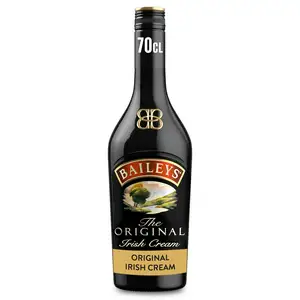
Liqueurs can transform a cocktail. A tiny measure of the right bottle can add sweetness, texture, aroma and a distinctive flavour that turns a basic mix into something complete. That is why they are so common in both classic and modern drinks. They are not usually the star ingredient, but they are often the element that ties everything together.
For home drinkers, though, liqueurs can also feel confusing. There are orange liqueurs, coffee liqueurs, nut liqueurs, herbal liqueurs, fruit liqueurs and cream liqueurs, each with different levels of sweetness and intensity. Some are extremely versatile. Others are delicious but useful only in a narrow set of cocktails. If you want to build a practical bottle collection for mixing, it helps to know which types earn their place most often.
This guide focuses on liqueurs that genuinely help with cocktails rather than bottles bought purely for sipping. The aim is not to overcomplicate recipes or turn your drinks shelf into a specialist bar. Instead, it is to help you identify the most useful styles, understand how sweetness changes a drink, and choose bottles that work across classics and easy modern serves.
Why liqueurs matter in cocktails
Most liqueurs do one or more of four jobs in a cocktail: they add sweetness, carry flavour, soften the base spirit or lengthen the finish. A good orange liqueur can sharpen and brighten a Margarita or Sidecar. A coffee liqueur can deepen an Espresso Martini. A herbal liqueur can add complexity and contrast in small amounts. Even a creamy liqueur can bring dessert-like richness when the recipe calls for it.
Because liqueurs usually contain sugar, they are not neutral additions. Every time you add one, you are affecting both flavour and balance. That is why the best cocktail liqueurs are not just tasty on their own. They are predictable, mix well and have enough flavour intensity to show up without turning the drink heavy or sticky.
The most useful liqueur category: orange
If you were buying only one liqueur for cocktails, orange would be the strongest contender. Orange liqueurs are essential in a huge number of drinks because they add citrus sweetness, aroma and structure without overwhelming the base spirit. They are useful in Margaritas, Sidecars, Cosmopolitans and plenty of modern variations.
What makes orange liqueur so versatile is its balance. It brightens drinks without tasting as sharp as fresh juice, and sweetens them without becoming syrupy if used properly. For home mixing, it is one of the easiest bottles to justify because it works with tequila, gin, vodka and even some brandy drinks.
When comparing orange styles, look for:
- clear orange peel character rather than candy sweetness
- enough strength to carry through citrus-heavy drinks
- a clean finish that does not turn cloying
- good versatility across sour-style cocktails
For many home bars, this is the first liqueur worth buying.
Coffee liqueur for richer modern cocktails
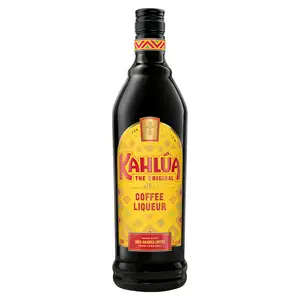
Coffee liqueur is another high-value choice because it is easy to use and instantly recognisable in flavour. It gives depth, roast character and a soft sweetness that suits modern crowd-pleasers. The obvious example is the Espresso Martini, but coffee liqueur also works in simple vodka drinks, richer rum serves and dessert-style cocktails.
The key with coffee liqueur is sweetness control. Some bottles taste deeply roasted and balanced, while others lean more sugary. In a cocktail, that difference matters. If the liqueur is too sweet, the drink can lose definition and become pudding-like. If it is too bitter, it may need extra sugar or cream to feel complete.
For straightforward home mixing, choose a bottle with a clear coffee flavour, moderate sweetness and enough body to stand up in a shaken drink. It is one of the easiest ways to make cocktails feel more indulgent without making the recipe harder.
Cream liqueurs: useful, but less versatile
Cream liqueurs can be excellent in the right setting, but they are more limited than orange or coffee styles. They work best in dessert cocktails, festive drinks or very easy serves where richness is the main attraction. They are popular because they make drinks feel smooth and approachable, but they are not usually the first bottle to prioritise if versatility matters most.
Still, for readers who enjoy sweet after-dinner cocktails, cream liqueurs can earn their place. They pair especially well with coffee flavours, chocolate notes and simple winter serves. Just remember that they bring both sweetness and texture, so recipes often need less additional sugar than you might expect.
Herbal liqueurs for complexity in small amounts
Herbal liqueurs can be some of the most exciting cocktail ingredients, but they are also among the easiest to overbuy. Used well, they add bitterness, spice, freshness or layered botanical character that gives a cocktail real personality. Used badly, they can dominate the drink.
For beginners, the main lesson is quantity. Herbal liqueurs are often best used in small measures alongside a base spirit and simpler modifiers. They can turn a straightforward drink into something far more interesting, but they are rarely the most universally useful first purchase unless you already know you enjoy that style.
If you are building a practical collection, treat herbal bottles as second-wave additions after the more flexible choices are in place.
Fruit and berry liqueurs
Fruit liqueurs can be brilliant for adding colour and flavour quickly, but they vary hugely in usefulness. Some work beautifully in spritzes, sours and vodka-based drinks. Others are so sweet or so specifically flavoured that they only suit one or two recipes. As with gin, novelty is not always the same as versatility.
If you buy a fruit liqueur for cocktails, think about whether the flavour will work beyond one drink. Berry and stone-fruit styles can be fun, but orange still tends to be the better first citrus bottle because it crosses categories so easily.
How sweetness affects cocktails
This is one of the most important things to understand about liqueurs. Sweetness is not just a flavour note. It changes the whole shape of a cocktail. Too little sweetness and a drink can feel sharp, thin or unfinished. Too much and it becomes heavy, sticky or flat.
That is why cocktail liqueurs should be chosen not only for taste but also for how concentrated they are. A richer, sweeter bottle may be perfect in tiny amounts and awkward in larger pours. A drier or stronger liqueur may give more flavour with less sugar. This is especially important in classic cocktails, where balance is often the whole point.
As a rule:
- orange liqueurs often balance citrus and spirit in sour-style drinks
- coffee liqueurs add both sweetness and depth to modern cocktails
- cream liqueurs add sweetness plus texture
- herbal liqueurs can add flavour intensity even in small measures
The more you understand that relationship, the easier it becomes to choose the right bottle.
Best liqueurs for classic cocktails
If your aim is to make classics at home, prioritise the bottles that appear again and again. Orange liqueur is the standout because it supports several of the best-known cocktails without requiring specialist knowledge. Coffee liqueur is next if you enjoy modern classics and after-dinner drinks. After that, your choices depend on taste: herbal if you want complexity, cream if you like sweeter dessert-style drinks, and selected fruit styles if you already know the flavours you enjoy.
You can also explore cocktail inspiration through related categories such as liqueurs and rum, because many accessible home cocktails rely on a familiar base spirit plus one flexible modifier rather than a long shopping list.
What to avoid when buying liqueurs for mixing
- Buying very niche flavours before you own the basics
- Choosing sweetness over versatility
- Assuming an expensive bottle is always better for cocktails
- Ignoring how often a liqueur appears in recipes you actually want to make
- Buying too many creamy or dessert-led bottles too early
A practical home bar is built around repeat use. The best bottle is the one that appears in several drinks you genuinely want to mix, not the one that sounds most exotic on the shelf.
How to build a simple cocktail liqueur lineup
If you want the most useful starting point, begin with one orange liqueur and one coffee liqueur. That gives you immediate access to both classic citrus-led cocktails and richer modern serves. From there, add either a herbal bottle for complexity or a cream liqueur for indulgent after-dinner drinks, depending on your habits.
This approach keeps things manageable. You avoid buying five sweet bottles that all do roughly the same job, and you learn how each style behaves in the glass. That is far more useful than owning a large collection with no clear purpose.
Final checklist
- Start with orange liqueur for maximum cocktail versatility
- Add coffee liqueur if you enjoy richer modern classics
- Use cream liqueurs for dessert-style drinks, not as all-purpose bottles
- Treat herbal liqueurs as smaller-measure complexity builders
- Think about sweetness as part of balance, not just flavour
- Browse liqueurs and compare which bottles suit the cocktails you actually plan to make
The best cocktail liqueurs are the ones that make home mixing easier, not more complicated. Start with versatile bottles, learn how sweetness and flavour intensity change a drink, and you will build a far more useful home bar than if you simply buy whatever sounds interesting first.