
How to Serve Aperitifs at Home Like a Pro
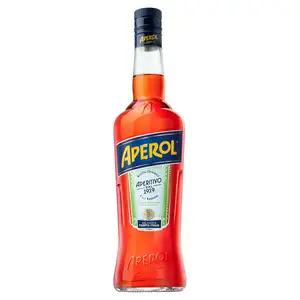
Aperitifs are designed to be enjoyed before food. They are usually lighter, fresher and less heavy than after-dinner drinks, making them ideal for relaxed hosting, garden drinks and early evening serves.
You do not need a full cocktail kit to serve aperitifs at home. A bottle from the other spirits or aperitif shelf, plenty of ice, a simple mixer and a good garnish are enough to make drinks that feel considered without being complicated.
What is an aperitif?
An aperitif is a pre-dinner drink intended to wake up the palate rather than overwhelm it. Many aperitifs are bittersweet, herbal, citrusy or lightly fruity. Common examples include vermouth, bitter aperitivo, pastis, fino sherry and lighter spritz-style bottles.
The important thing is balance. Aperitif drinks should feel refreshing, not syrupy or heavy.
Choose the right glassware
Glassware does not need to be formal, but it changes how the drink feels. A large wine glass is perfect for spritzes because it leaves room for ice, bubbles and garnish. A highball glass works well for aperitifs with soda or tonic. A small tumbler suits stronger, shorter serves over ice.
- Use a wine glass for spritz-style drinks.
- Use a highball for tonic or soda serves.
- Use a tumbler for short drinks over ice.
- Use small glasses for stronger fortified wines.
Use more ice than you think
Good aperitif drinks should be properly cold. Fill the glass generously with ice before adding the drink. More ice keeps the serve colder for longer and slows dilution because the cubes melt more gradually.
A half-filled glass with a few small cubes usually becomes watery faster than a glass packed with ice.
Simple aperitif combinations
The easiest way to serve aperitifs at home is to use simple ratios rather than complicated recipes.
- Bitter aperitif, sparkling wine and soda for a spritz.
- Vermouth and tonic for a lighter long drink.
- Sherry and tonic for a dry, savoury serve.
- Aperitif liqueur and soda for a refreshing low-effort drink.
- Pastis and cold water for a classic aniseed serve.
Start with one part aperitif and two or three parts mixer, then adjust to taste. If the drink feels too sweet, add soda or citrus. If it feels too thin, use a little more aperitif.
Using tonic, soda or sparkling wine
Tonic adds bitterness, sweetness and fizz. It works well with vermouth, citrus aperitifs and herbal bottles. Soda is drier and more neutral, so it keeps the drink lighter. Sparkling wine adds body, acidity and a celebratory feel.
- Choose tonic for bittersweet refreshment.
- Choose soda for a lighter, drier drink.
- Choose sparkling wine for spritz-style serves.
- Use lemonade only when you want a sweeter drink.
Garnishes that work
A garnish should support the drink, not decorate it randomly. Orange slices suit bitter aperitifs. Lemon peel works with dry vermouth and sherry. Olives suit savoury serves. Mint or cucumber can freshen lighter drinks.
- Orange for bittersweet aperitifs.
- Lemon for dry and citrus-led serves.
- Olives for savoury drinks.
- Mint for fresh summer serves.
- Grapefruit for a sharper, modern finish.
How to serve aperitifs with food
Aperitifs work best with salty, savoury snacks. Think olives, crisps, nuts, cheese, cured meats, anchovies, bruschetta or simple bread and olive oil.
Avoid very sweet snacks because they can make bitter drinks taste harsher. Salt and fat are better partners because they soften bitterness and make the drink feel more refreshing.
Final home aperitif checklist
- Choose light, fresh and bittersweet drinks before food.
- Use a large glass and plenty of ice.
- Keep combinations simple.
- Match garnish to flavour.
- Use tonic for bitterness, soda for lightness and sparkling wine for spritzes.
- Serve with salty snacks.
The best home aperitif setup is easy, flexible and relaxed. With one or two bottles, good mixers and simple garnishes, you can create drinks that feel special without needing complicated cocktail skills.