
What Makes a Smooth Vodka? Signs of Real Quality
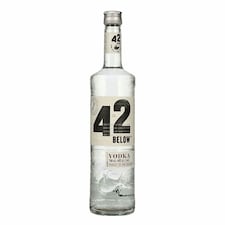
Vodka is often described as smooth, clean or pure, but those words can be vague. A smooth vodka is not simply a vodka with no flavour. It is a spirit that feels balanced, soft and controlled from first sip to finish.
This guide explains what to look for when comparing vodka, especially if you want a bottle for sipping chilled, Martinis, simple mixers or a better home bar.
Smoothness is about texture
One of the clearest signs of good vodka is mouthfeel. Better vodka often feels rounded rather than thin or sharp. It may have a lightly creamy, silky or soft texture, even when the flavour is subtle.
Poorer vodka can feel hot, scratchy or watery. It may hit quickly with alcohol burn and then disappear without structure.
- Smooth vodka feels rounded.
- Harsh vodka feels sharp or hot.
- Thin vodka can taste watery.
- Good texture matters in Martinis and neat serves.
The finish should be clean
A quality vodka should finish cleanly. That does not mean it has no character, but the aftertaste should not be bitter, chemical or rough.
Look for a finish that is crisp, lightly warming and short to medium in length. If the burn lingers harshly, the vodka may be less refined.
Purity matters, but it is not everything
Vodka producers often talk about filtration and distillation. These can affect quality, but more filtration does not automatically mean better vodka. Too much emphasis on purity can distract from balance and texture.
The best vodka feels clean while still having a pleasant character. Depending on the base ingredient, that character might be grainy, creamy, peppery, mineral, citrusy or slightly sweet.
Base ingredients can change the feel
Vodka can be made from grain, potatoes, grapes, corn or other fermentable ingredients. The base does not determine quality on its own, but it can influence style.
- Wheat vodka can feel soft and lightly sweet.
- Rye vodka can feel spicy and structured.
- Potato vodka can feel creamy and full-bodied.
- Grape-based vodka can feel rounded and slightly fruity.
If you dislike one vodka, it may be the style rather than the whole category.
Price is not always proof of quality
Premium vodka can be excellent, but branding, bottle design and marketing often affect price. Some mid-range bottles deliver very good smoothness without luxury pricing.
Instead of buying by price alone, look for clear descriptions of mouthfeel, finish and intended serve. A good cocktail vodka does not need to be ultra-premium, but it should not taste harsh.
How to taste vodka properly
Vodka is often served cold, but tasting it too cold can hide flaws. To judge quality, try a small sip slightly chilled rather than freezer-cold.
Notice:
- How it feels on the tongue.
- Whether alcohol heat arrives immediately.
- Whether the finish is clean or rough.
- Whether there is any unpleasant bitterness.
- Whether it remains balanced when mixed.
Best vodka for mixers
If you mainly drink vodka with tonic, soda, cola, cranberry or orange juice, you do not need the most expensive bottle. You need clean flavour, no harsh burn and enough body not to vanish completely.
For simple soda serves, smoother vodka matters more because there is less mixer to hide flaws. For fruit juice cocktails, a reliable mid-range bottle is usually enough.
Best vodka for Martinis
Vodka Martinis reveal texture and finish clearly. For this serve, choose a vodka with a rounded mouthfeel and clean finish. A very neutral vodka can work, but a little texture makes the drink more satisfying.
Final quality checklist
- Look for rounded mouthfeel, not just neutral flavour.
- Avoid rough, chemical or bitter finishes.
- Do not assume higher price always means smoother vodka.
- Choose the base style that suits your taste.
- Use better vodka for Martinis and simple soda serves.
- Use reliable mid-range vodka for mixed drinks.
Smooth vodka is about balance, texture and finish. The best bottles feel clean without tasting lifeless, and they stay pleasant whether served chilled, mixed long or used in a classic cocktail.