
Gin
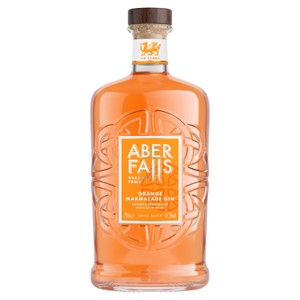
Aber Falls Orange Marmalade Gin 70cl
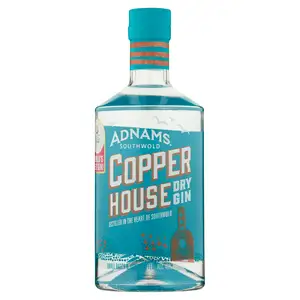
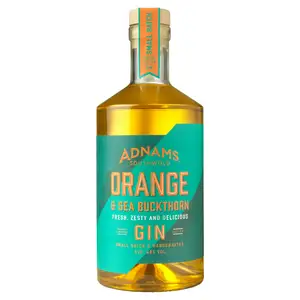
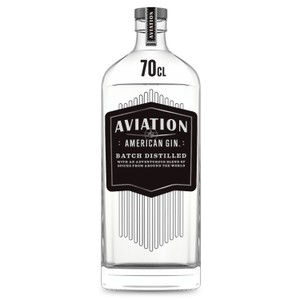
Aviation American Gin 70cl

Bathtub Gin 70cl

Bathtub Old Tom Gin 50cl

Beefeater 24 London Dry Gin 70cl
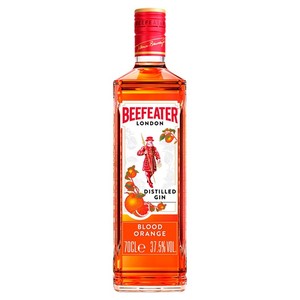
Beefeater Blood Orange Gin 70cl

Beefeater London Dry Gin 70cl
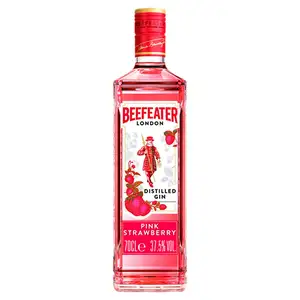
Beefeater Pink Strawberry Gin 70cl

Ben Lomond Scottish Gin 70cl
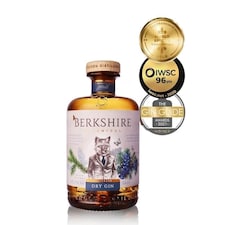
Berkshire Botanical Dry Gin 50cl


Blue Gin Vintage Gin 70cl

Bombay London Dry Gin 70cl


Bombay Sapphire London Dry Gin 1L
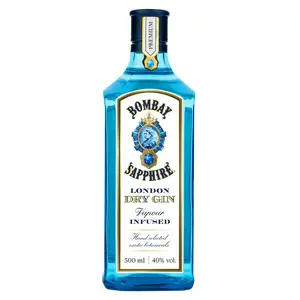
Bombay Sapphire London Dry Gin 50cl

Bombay Sapphire London Dry Gin 70cl

Bombay Sapphire Premier Cru Murcian Lemon Gin 70cl
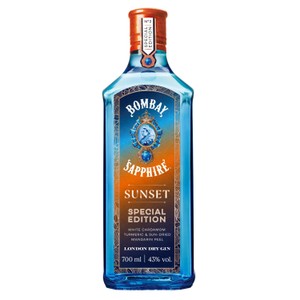
Bombay Sapphire Sunset London Dry Gin 70cl
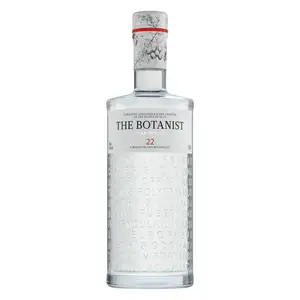
The Botanist Islay Dry Gin 70cl

Bottega Gin Bacur 50cl
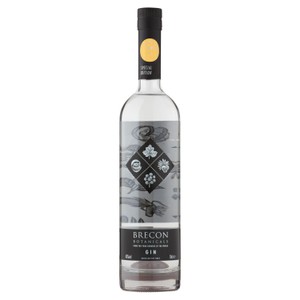
Brecon Botanicals Gin 70cl
Frequently Asked Questions
All about Gin
What is gin?
Gin is a distilled alcoholic spirit that is flavoured primarily with juniper berries. It is typically made by distilling neutral grain alcohol with a mixture of botanicals such as herbs, spices and citrus peel.
The distinctive flavour of gin comes mainly from juniper, which gives it its characteristic pine-like aroma.
What is gin made from?
Gin begins with a neutral base spirit usually made from grains such as wheat, barley or corn. This base alcohol is then redistilled with botanicals.
The most important botanical is juniper, but many gins also include ingredients such as coriander, citrus peel, angelica root and spices.
What does gin taste like?
Gin has a distinctive flavour that is strongly influenced by juniper berries. The taste is often described as fresh, herbal and slightly pine-like.
Depending on the botanicals used, gin can also include notes of citrus, spice, floral elements or earthiness.
How strong is gin?
Most gin is bottled at around 37.5% to 40% alcohol by volume, although some premium or navy strength gins can be stronger.
Because of its strength gin is usually mixed with other ingredients or served in cocktails.
What botanicals are used in gin?
All gin must contain juniper as its primary botanical. In addition, distillers often include a variety of other botanicals such as coriander seeds, citrus peel, angelica root, cardamom and cinnamon.
The exact combination of botanicals gives each gin its unique flavour profile.
What is London Dry gin?
London Dry gin is a style of gin that follows strict production rules. It must be distilled with natural botanicals and cannot contain added flavourings or sweeteners after distillation.
Despite the name it does not have to be made in London.
What is the difference between gin and vodka?
Vodka is usually distilled to be as neutral as possible with very little flavour. Gin starts with a similar neutral spirit but is redistilled with botanicals, especially juniper.
This botanical infusion gives gin its distinctive herbal and aromatic character.
What cocktails use gin?
Gin is used in many classic cocktails including the Gin and Tonic, Martini, Negroni and Tom Collins.
Its herbal and citrus-friendly flavour makes it a versatile base spirit for many mixed drinks.
What is the best tonic for gin?
The best tonic depends on the style of gin and personal taste. Classic tonic water works well with traditional London Dry gins.
Premium or flavoured tonics such as elderflower or Mediterranean style tonics can highlight different botanicals in the gin.
What garnish goes with gin and tonic?
Common garnishes include lime, lemon or cucumber depending on the gin style. Citrus garnishes are particularly popular with classic London Dry gins.
Some modern gins are paired with herbs, berries or spices that complement their botanical profile.
What is pink gin?
Pink gin is a style of gin that has been flavoured with ingredients such as strawberries, raspberries or other red fruits.
It often has a slightly sweeter taste and a pink colour created by the fruit infusion.
What is navy strength gin?
Navy strength gin is bottled at a higher alcohol level, typically around 57% alcohol by volume. The name comes from historical naval traditions where stronger spirits were preferred.
This style of gin tends to have more intense flavours and is often diluted in cocktails.
How is gin made?
Gin is produced by distilling neutral alcohol with botanicals. The botanicals may be steeped in the spirit or placed in a basket so that vapours pass through them during distillation.
This process extracts aromatic compounds that give gin its distinctive flavour.
Where did gin originate?
Gin has its roots in a Dutch spirit called genever which was produced in the Netherlands and Belgium. The drink later became extremely popular in Britain.
Today gin is produced worldwide with many modern craft distilleries creating new styles.