
Vodka
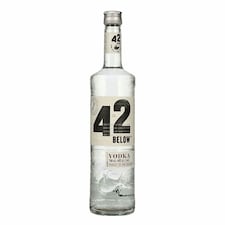
42 Below Vodka 70cl
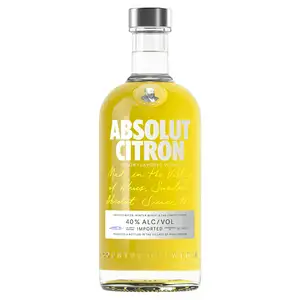
Absolut Citron Lemon Vodka 70cl

Absolut Extrakt Vodka 70cl
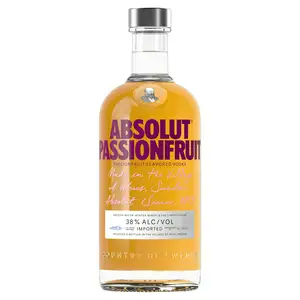
Absolut Passionfruit Vodka 70cl
Absolut Pears Vodka 70cl
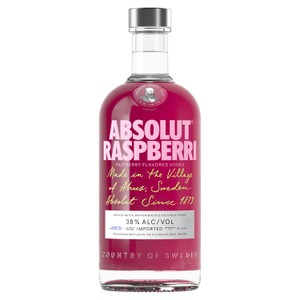
Absolut Raspberry Vodka 70cl

Absolut Vanilla Vodka 1L
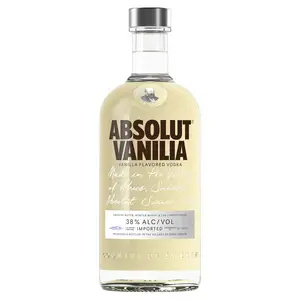
Absolut Vanilla Vodka 70cl

Absolut Wild Berri Vodka 70cl
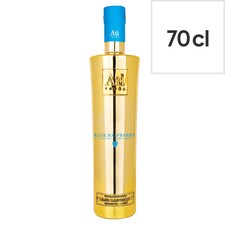
Au Vodka Blue Raspberry Vodka 70cl

Au Vodka Bubblegum Vodka 70cl

Au Vodka Cosmic Berries Vodka 70cl
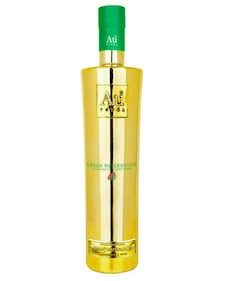
Au Vodka Green Watermelon Vodka 70cl

Au Vodka Juicy Peach 70cl

Au Vodka Pineapple Crush Vodka 70cl

Au Vodka Pink Lemonade 70cl
Au Vodka Strawberry Burst Vodka 70cl

Au Vodka Vodka 70cl
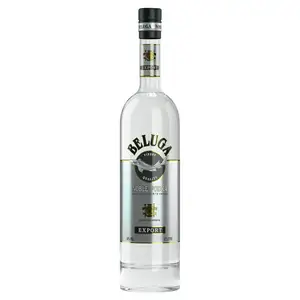
Beluga Noble Vodka 70cl
Frequently Asked Questions
All about Vodka
What is vodka?
Vodka is a clear distilled spirit traditionally made from fermented grains or potatoes. It is known for its relatively neutral flavour compared with many other spirits.
Modern vodka can also be produced from ingredients such as wheat, rye, corn or even grapes, depending on the producer.
What is vodka made from?
Vodka is usually made by fermenting and distilling agricultural products such as wheat, rye, corn or potatoes. The fermented liquid is distilled multiple times to increase purity and alcohol strength.
After distillation the spirit is typically filtered and diluted with water before bottling.
How strong is vodka?
Most vodka is bottled at around 40% alcohol by volume. Some brands produce higher strength versions, but 40% ABV is the most common standard worldwide.
Because of its strength vodka is usually consumed in small servings or mixed into cocktails.
What does vodka taste like?
Vodka is known for its clean and neutral flavour profile. Unlike whisky or rum, it typically has very subtle aromas and minimal strong flavour characteristics.
This neutrality is one reason vodka is widely used as a base spirit in cocktails.
Where does vodka come from?
Vodka has a long history in Eastern Europe, particularly in countries such as Russia and Poland. Both regions have strong traditions of vodka production.
Today vodka is produced all over the world using a wide range of ingredients and production methods.
How is vodka made?
Vodka is made by fermenting sugars from grains, potatoes or other ingredients to create alcohol. The liquid is then distilled several times to increase purity and remove impurities.
Many producers also filter vodka through charcoal or other materials to create a smooth, clean spirit.
Is vodka gluten free?
Vodka distilled from grains such as wheat or rye may contain gluten before distillation, but the distillation process usually removes proteins including gluten.
Vodka made from potatoes, corn or grapes is naturally gluten free, although people with severe sensitivities should check product labelling.
Why is vodka sometimes filtered through charcoal?
Charcoal filtration is used by many vodka producers to remove impurities and smooth the flavour of the spirit. The filtration process can help create a cleaner and more neutral taste.
Some brands highlight their filtration methods as part of their production process.
Should vodka be stored in the freezer?
Vodka can be stored in the freezer because its high alcohol content prevents it from freezing solid. Many people enjoy chilled vodka as it can feel smoother when served very cold.
However storing vodka at room temperature is also perfectly acceptable.
How is vodka traditionally served?
In some cultures vodka is served chilled and consumed in small shots. It may also be accompanied by food such as pickles, bread or smoked fish.
In many countries vodka is more commonly used as a base for cocktails and mixed drinks.
What cocktails use vodka?
Vodka is one of the most widely used spirits in cocktails because of its neutral flavour. Popular vodka cocktails include the Martini, Moscow Mule, Cosmopolitan and Bloody Mary.
Its clean taste allows other ingredients such as fruit juices or herbs to stand out.
What is flavoured vodka?
Flavoured vodka is vodka that has been infused with additional ingredients such as fruit, herbs or spices. Common flavours include citrus, vanilla, raspberry and pepper.
Flavoured vodkas are often used in cocktails or enjoyed with simple mixers.
Does vodka go bad once opened?
Vodka does not spoil in the same way as wine because of its high alcohol content. However exposure to air over long periods may slowly affect its flavour.
Keeping the bottle sealed and stored away from direct sunlight will help preserve its quality.
How long does vodka last?
An unopened bottle of vodka can last for many years if stored in a cool and dark place. The spirit does not age or change significantly in the bottle.
Even after opening, vodka can remain stable for a long time if properly sealed.
Why are some vodkas more expensive than others?
More expensive vodkas may use higher quality ingredients, more complex distillation methods or additional filtration processes.
Brand reputation, packaging and marketing can also influence the price of premium vodka products.