
Beginner Liqueurs: Easy Bottles to Try First
Liqueurs are one of the easiest ways to start exploring spirits because they are usually sweeter, softer and more flavour-led than neat whisky, gin, rum or vodka. Instead of asking you to enjoy strong alcohol on its own, a good beginner liqueur gives you something familiar: cream, peach, coffee, cherry, almond, orange, chocolate, herbs or fruit.
The challenge is that the liqueur shelf can be confusing. Some bottles are rich and dessert-like, others are sharp and cocktail-focused, and a few are intense enough to overwhelm new drinkers. This guide is for first-time buyers who want something enjoyable, versatile and not too challenging. It focuses on easy-drinking flavours, approachable sweetness and bottles that work neat, over ice or in simple mixed drinks.
What makes a liqueur beginner-friendly?
A beginner-friendly liqueur should be pleasant from the first sip. It does not need to be bland, but it should not feel medicinal, aggressively bitter or so strong that the alcohol dominates the flavour. The best starting bottles usually have a clear flavour identity and a soft finish.
- Recognisable flavour: cream, coffee, peach, cherry, orange, almond or chocolate are easy starting points.
- Moderate sweetness: enough sweetness to feel smooth, but not so much that one glass becomes tiring.
- Simple serving options: good neat, over ice or with lemonade, cola, tonic, coffee or prosecco.
- Not too niche: avoid very bitter, herbal or high-strength styles for a first bottle.
- Good value: beginners should not need to spend heavily to find something enjoyable.
If you are browsing our liqueur selection, think first about the flavours you already like in desserts, coffees, soft drinks or cocktails. That is usually a better guide than choosing the most expensive bottle or the one with the boldest label.
Cream liqueurs: the softest starting point
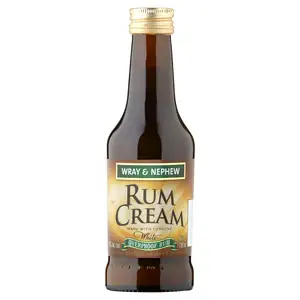
Cream liqueurs are often the easiest place to begin. They are smooth, sweet and dessert-like, with flavours such as vanilla, chocolate, coffee, caramel and Irish whiskey. They are usually served chilled or over ice and do not require cocktail skills.
A bottle like Baileys Original Irish Cream Liqueur is popular because it is familiar and flexible. It works after dinner, poured over ice, added to coffee or drizzled over vanilla ice cream. The texture is creamy rather than fiery, so it suits people who usually find neat spirits too strong.
The main thing to remember is that cream liqueurs are richer than fruit liqueurs. They can feel filling, so they are best for slow sipping, desserts and cosy evenings rather than long mixed drinks.
Peach and fruit liqueurs: light and easy to mix
Fruit liqueurs are another strong beginner choice. Peach, raspberry, cherry, passion fruit and apple styles tend to feel bright and approachable. They are useful because they mix easily with lemonade, soda, tonic, sparkling wine or fruit juice.
Archers Peach Schnapps is a classic beginner-friendly example because the flavour is clear, sweet and easy to understand. It can be served with lemonade for a simple long drink or used in fruity cocktails without needing lots of ingredients.
Cherry liqueurs are slightly richer and can work well after dinner. They suit cola, chocolate desserts and simple sour-style cocktails. If you like black forest gateau, cherry cola or berry desserts, a cherry liqueur is a natural step.
Coffee liqueurs: great for cocktails and desserts
Coffee liqueurs are ideal for beginners who enjoy espresso, iced coffee or chocolate desserts. They usually combine sweetness with roasted coffee flavour, making them useful in both drinks and puddings.
The obvious use is an Espresso Martini, but beginners do not need to start there. Coffee liqueur can be poured over ice, mixed with milk, added to hot chocolate or served with cola for a simple long drink. It is also excellent over ice cream.
Choose coffee liqueur if you want something that feels grown-up without being too sharp. It is usually less sugary-tasting than some fruit liqueurs, but still much softer than neat spirits.
Amaretto and almond liqueurs: sweet, nutty and versatile
Amaretto is one of the most useful beginner liqueurs because it has a warm almond-like flavour, gentle sweetness and a soft finish. It tastes good neat over ice, mixed with cola, served with apple juice or used in an Amaretto Sour.
Disaronno Originale Italian Liqueur is a familiar example of the style. It suits people who like marzipan, bakewell tart, vanilla, cola or nutty desserts. It is sweet, but the almond character gives it more depth than many simple fruit liqueurs.
For a first home bar bottle, amaretto is a safe option because it covers several occasions: casual sipping, easy mixed drinks, dessert pairing and cocktails.
Orange liqueurs: best for cocktail beginners
Orange liqueurs are less dessert-like than cream or peach styles, but they are very useful if you want to make cocktails. They appear in Margaritas, Sidecars, Cosmopolitans and many simple mixed drinks. The flavour is citrusy, sweet and slightly zesty.
For beginners, orange liqueur is best if you already enjoy cocktails or want one bottle that improves other drinks. It may not be the most exciting neat pour, but it is one of the most practical bottles to own. Pair it with tequila, brandy, vodka or sparkling wine and it quickly earns its space.
If you are building a small drinks shelf, orange liqueur sits neatly beside gin, vodka and tequila because it helps turn basic spirits into brighter mixed drinks.
Chocolate and dessert liqueurs: best for sweet tooth drinkers
Chocolate, caramel, toffee and vanilla liqueurs are designed for people who want a treat rather than a sharp aperitif. They can be served over ice, added to coffee or used in dessert-style cocktails. They are also good for entertaining because they feel instantly accessible.
The downside is sweetness. Some dessert liqueurs can feel heavy after one glass, so beginners should choose a bottle they can use in more than one way. A chocolate liqueur that works in coffee, milkshakes and over ice cream is more useful than one you only enjoy neat.
Liqueurs beginners may want to approach later
Not every liqueur is the best first purchase. Some are excellent but more demanding. Bitter herbal liqueurs, strong aniseed styles, complex aperitifs and very intense botanical bottles can be divisive. They often work brilliantly in cocktails, but they may not be the easiest introduction.
That does not mean you should avoid them forever. If you already like bitter drinks, liquorice, strong herbs or classic cocktails, they may suit you. But for most first-time buyers, it is better to begin with cream, fruit, coffee, almond or orange before moving into more unusual flavours.
How to serve beginner liqueurs
The simplest serve is often the best. You do not need a shaker, garnish kit or cocktail book to enjoy a first bottle.
- Over ice: best for cream, amaretto, coffee and richer fruit liqueurs.
- With lemonade: easy with peach, raspberry, passion fruit and other bright fruit styles.
- With cola: good with amaretto, cherry and coffee liqueurs.
- In coffee: ideal for cream, coffee, chocolate and hazelnut styles.
- With sparkling wine: works with peach, orange, elderflower and berry liqueurs.
- Over dessert: try cream, chocolate, cherry or coffee liqueur over ice cream.
Start with a small measure and adjust. Liqueurs can be sweet, so a little often goes a long way. In long drinks, use plenty of mixer and ice so the flavour feels refreshing rather than syrupy.
Best liqueur styles for different beginners
- For someone who dislikes strong alcohol: choose a cream liqueur over ice.
- For fruity cocktail fans: choose peach, raspberry or passion fruit liqueur.
- For coffee lovers: choose coffee liqueur for iced drinks and desserts.
- For sweet but balanced flavour: choose amaretto.
- For a small cocktail shelf: choose orange liqueur.
- For after-dinner treats: choose chocolate, cherry or cream liqueur.
Final checklist: choosing your first liqueur
- Pick a flavour you already enjoy in food or soft drinks.
- Choose a bottle that works in at least two serves.
- Avoid very bitter, herbal or intense styles at first unless you know you like them.
- Do not overspend on your first bottle; learn your taste first.
- Check whether the liqueur is best neat, chilled, mixed or used in cocktails.
- For maximum versatility, start with cream, peach, coffee, amaretto or orange liqueur.
The best beginner liqueur is not the rarest or most expensive bottle. It is the one you will actually enjoy using. Start with a friendly flavour, keep the serve simple and build from there. Once you know whether you prefer creamy, fruity, nutty, citrusy or coffee-led drinks, the rest of the liqueur shelf becomes much easier to explore.