
Peated vs Unpeated Whisky: Which Should You Choose?
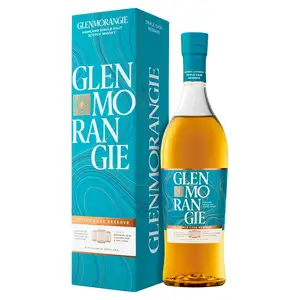
The key difference: smoke
Peated whisky is made using malted barley dried with peat smoke, which gives the whisky smoky aromas and flavours. Unpeated whisky is made without that smoke influence, so fruit, grain, oak, spice, sweetness and cask character usually take the lead.
This difference can completely change the drinking experience. Peated whisky can feel bold, coastal, earthy, medicinal, ashy or barbecue-like. Unpeated whisky can feel softer, fruitier, honeyed, creamy, spicy or dessert-like.
What peated whisky tastes like
Peated whisky is often described as smoky, but smoke is not always the same. Some bottles taste like bonfire, seaweed, iodine, smoked meat, damp earth, tar, pepper or charred oak. Others are gentler, with a soft campfire note behind fruit and vanilla.
- Best for drinkers who like bold flavours.
- Good for slow sipping and cold evenings.
- Can be challenging for beginners.
- Works well with strong cheeses, smoked foods and dark chocolate.
The main risk is intensity. If your first whisky is heavily peated, it may overwhelm the fruit and oak flavours that many beginners expect.
What unpeated whisky tastes like
Unpeated whisky covers a wide range of styles. It can be light and grassy, rich and sherried, creamy and vanilla-led, spicy and oaky, or fruity and floral. Without smoke, other flavours are easier to notice.
- Best for beginners and broad gifting.
- Good for casual sipping and food pairing.
- Often easier to compare across regions and cask types.
- Can still be powerful, complex and premium.
Unpeated does not mean simple. Many of the most complex whiskies are unpeated, with flavour coming from casks, ageing, distillation and blending.
Which is better for beginners?
Most beginners should start with unpeated or lightly peated whisky. This allows them to notice sweetness, fruit, malt, spice and oak before dealing with heavy smoke. A gentle peated whisky can be a good second step once the drinker knows they enjoy stronger flavours.
If the person already likes smoky barbecue, mezcal, black coffee, dark chocolate or heavily roasted flavours, peated whisky may be a more exciting first choice.
Which is better for gifts?
Unpeated whisky is usually safer as a gift because it suits more people. Peated whisky is more personal. It can be a brilliant gift for someone who loves smoky Scotch, but risky if you do not know their taste.
- Choose unpeated for broad appeal.
- Choose lightly peated for curiosity and balance.
- Choose heavily peated only for known smoke fans.
Occasions and mood
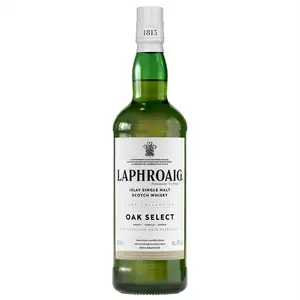
Peated whisky often suits colder evenings, fireside sipping, outdoor moods and slow tasting. Unpeated whisky is more flexible, working for casual pours, celebrations, food pairing and relaxed conversation.
For cocktails, unpeated whisky is usually easier to use. Peated whisky can be excellent in small amounts, but too much smoke can dominate the drink.
How to choose from labels
Look for words such as peated, smoky, Islay, coastal, medicinal, bonfire or maritime if you want smoke. Look for honey, vanilla, orchard fruit, sherry, oak, spice, malt or creamy if you want a non-smoky style.
Final checklist: peated or unpeated?
- Choose peated whisky for smoke, drama and intensity.
- Choose unpeated whisky for fruit, oak, sweetness and flexibility.
- Choose unpeated for most beginners.
- Choose peated for adventurous drinkers and smoke fans.
- Choose lightly peated if you want a middle ground.
Browse Whisky, compare Rum for sweeter oak-led spirits, or explore Brandy for smoother after-dinner sipping.