
What Makes a Good Gin?: How to Spot Real Quality
Good gin is about balance, not just branding
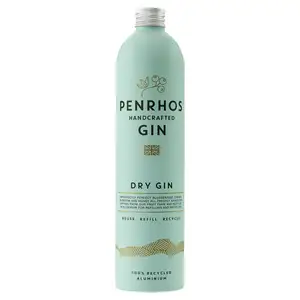
A good gin does not need the loudest bottle, the most unusual botanicals or the highest price. Quality is usually found in balance. Juniper should be clear, botanicals should feel integrated, alcohol should feel controlled, and the finish should leave a clean impression rather than a harsh burn.
Gin is a flexible spirit, so the right bottle depends on how you plan to drink it. A bold London dry style may be ideal for a classic gin and tonic, while a softer citrus-led gin may suit beginners, spritz serves or lighter cocktails.
Juniper should be present
Juniper is the signature flavour of gin. It can taste piney, resinous, herbal, crisp or slightly peppery. In a well-made gin, juniper gives structure without overwhelming everything else.
If a gin tastes more like sweet fruit cordial than gin, it may still be enjoyable, but it may not be the best example of quality gin. Flavoured gins can be good, but the better ones still keep some gin character underneath the added fruit, spice or sweetness.
Botanicals should work together
Many gins list botanicals such as coriander seed, angelica, citrus peel, cardamom, liquorice, orris, berries, cucumber or floral ingredients. A long botanical list does not automatically mean better quality. What matters is whether the flavours feel joined together.
- Citrus should feel bright rather than artificial.
- Spice should add lift, not roughness.
- Floral notes should feel fresh, not soapy.
- Sweetness should support the flavour, not hide flaws.
When reading product descriptions, look for flavour words that suggest shape and balance: crisp, dry, citrus-led, herbal, spicy, floral, smooth, rounded, peppery or clean.
Smoothness should not mean blandness
A smooth gin should still have flavour. Smoothness means the alcohol is well integrated, not that the gin tastes flat. A poor gin can feel hot, sharp or thin, especially when served with tonic. A better gin keeps its flavour clear even when diluted.
For neat tasting, a small sip should show the structure of the spirit. It may feel strong, but it should not taste raw. With tonic, the gin should still be noticeable after ice, garnish and mixer are added.
The finish tells you a lot

The finish is what remains after swallowing. In a good gin, it may be clean, dry, citrusy, herbal, spicy or gently warming. In a weaker gin, the finish may vanish quickly, feel sugary, or leave a rough alcohol edge.
For gin and tonic drinkers, finish matters because tonic can exaggerate bitterness, sweetness or heat. If a gin has a clean finish, it usually feels more refreshing over ice.
Producer credibility and style
Quality is easier to judge when the producer explains the style clearly. A useful label or product page should tell you whether the gin is dry, citrus-led, floral, spiced, fruity, navy strength or designed for cocktails.
Small producers can make excellent gin, and large brands can offer reliable consistency. The key is whether the bottle gives enough information to help you understand what you are buying.
Value: when is gin worth paying more for?
Pay more when the gin offers a clear flavour direction, better balance, a more polished texture or a distinctive style you will actually use. Do not pay more only for unusual packaging or vague premium wording.
- For everyday gin and tonic, choose clean flavour and good balance.
- For cocktails, choose a gin with enough juniper and structure.
- For beginners, choose a softer citrus-led or classic dry style.
- For gifts, choose a bottle with both attractive presentation and clear flavour appeal.
Final checklist: signs of a good gin
- Clear juniper presence.
- Botanicals that feel integrated.
- Smooth alcohol without harshness.
- A clean, lasting finish.
- Useful tasting notes and style information.
- Good value for how you plan to serve it.
Browse gin bottles, compare with vodka for cleaner mixed drinks, or explore all spirits if you are building a home bar.