
Vermouth Explained: Sweet, Dry and Bianco Styles and How to Use Them
What vermouth is
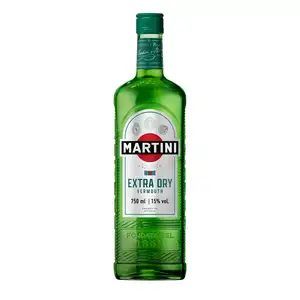
Vermouth is an aromatised fortified wine flavoured with botanicals such as herbs, roots, spices and citrus peel. It sits somewhere between wine and spirits, offering complexity, bitterness, sweetness and perfume in one bottle. Although many people know vermouth only as a cocktail ingredient such as Martini, it can also be enjoyed on its own over ice or with soda.
Because vermouth starts with wine, it tends to have a lower ABV than most spirits. That makes it especially appealing for lighter serves and aperitif style drinking.
Why vermouth matters in cocktails
Vermouth is central to many classic drinks. Dry vermouth gives structure and aromatics to the Martini. Sweet vermouth brings richness and herbal depth to the Manhattan and Negroni. Without vermouth, a huge part of cocktail history simply would not exist.
It is also one of the easiest categories to overlook when buying for a home bar. People often focus on the gin or whisky and forget that the vermouth can make just as much difference to the final drink.
The main types of vermouth
Dry vermouth
Dry vermouth is pale in colour and relatively low in sweetness. It is herbal, crisp and lightly bitter, often with notes of citrus peel, flowers and gentle spice. This is the classic choice for Martinis and other lighter, sharper cocktails.
Sweet red vermouth
Sweet vermouth, often red or amber in colour, is richer and more rounded, with notes of caramel, herbs, spice and bitter orange. It is the standard vermouth for Manhattans, Negronis and Americano style drinks. A good sweet vermouth can also be served simply over ice with orange peel.
Bianco or blanc vermouth
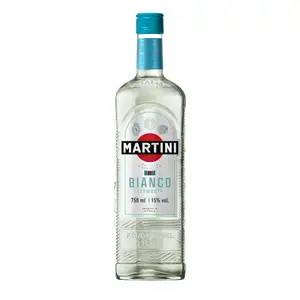
Bianco vermouth sits between dry and sweet styles. It is usually pale but sweeter than dry vermouth, with vanilla, floral and herbal notes. This makes it a versatile option for people who want something softer and easier going. The one everyone knows of course is Martini Bianco.
Extra dry and speciality styles
Some vermouths lean even drier and more mineral, while others emphasise bitterness, floral notes or particular botanicals. As with gin, small recipe differences can create very different flavour profiles, so it is worth trying more than one.
How to drink vermouth
Vermouth is far more versatile than many people realise. Of course it works brilliantly in cocktails, but it is also enjoyable in simpler serves. Dry vermouth can be served chilled with a twist of lemon. Sweet vermouth works well over ice with orange. Bianco vermouth pairs nicely with tonic or soda for a lower strength, refreshing drink.
Because it is wine based, vermouth is often best stored in the fridge once opened and enjoyed while fresh. That is a key difference from spirits such as whisky or gin.
Choosing the right vermouth for your needs
- For Martinis: dry vermouth is the standard choice.
- For Manhattans and Negronis: sweet red vermouth is essential.
- For lighter aperitif serves: bianco or blanc vermouth is often ideal.
- For sipping on ice: sweet or bianco styles tend to be the easiest entry point.
Why vermouth deserves more attention
Vermouth brings complexity, elegance and balance to drinks in a way that few other categories can. Whether you are building a better Martini, perfecting a Negroni or just looking for a lighter evening drink, vermouth is one of the smartest bottles you can add to your shelf.