
What is the difference between tequila types?
What is the difference between tequila types?
Tequila is one of the most distinctive spirits in the world, and although many drinkers recognise the broad categories like blanco or reposado, the differences between tequila types go far deeper than colour or ageing time. Each style is shaped by the agave plant, the production methods, the ageing process, and the traditions of the regions where tequila is made. Understanding these differences helps drinkers choose bottles that match their taste, whether they prefer something crisp and peppery, smooth and mellow, or rich and complex. This guide explains the main tequila types, how they are produced, what they taste like, and how they are typically enjoyed.
The role of agave in defining tequila
All tequila must be made from the blue Weber agave plant, a succulent that takes between six and ten years to mature. The plant is harvested for its core, known as the pina, which is cooked, crushed, fermented, and distilled. The quality of the agave, the soil it grows in, and the way it is cooked all influence the final flavour. Tequila made from 100 percent agave tends to be more aromatic, more complex, and more expressive of the plant itself. Tequila labelled as mixto contains at least 51 percent agave sugars, with the remainder coming from other sugars such as cane or corn. Mixto tequila is usually lighter in flavour and often used for mixed drinks, while 100 percent agave tequila is preferred for sipping and premium cocktails.
Blanco tequila
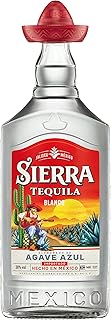
Blanco tequila, also known as silver or plata, is the purest expression of the agave plant. It is typically bottled immediately after distillation or rested for no more than two months in stainless steel or neutral containers. Because it does not spend time in oak, blanco tequila retains the bright, fresh flavours of the agave. Drinkers often notice notes of citrus, pepper, herbs, and minerals. The texture is usually crisp and clean, with a lively finish. Blanco tequila such as Sierra Blanco is popular for cocktails like margaritas and palomas because its bold agave character cuts through mixers without being overshadowed. It is also enjoyed neat by those who appreciate the raw, unaltered flavour of agave.
Reposado tequila
Reposado means rested, and this tequila spends between two months and one year ageing in oak barrels. The ageing process softens the sharper edges of the spirit and introduces gentle flavours from the wood. Reposado tequila such as Jose Cuervo Especial often shows notes of vanilla, caramel, honey, and light spice, while still retaining the herbal and peppery qualities of the agave. The colour ranges from pale straw to light gold depending on the length of ageing and the type of barrel used. Reposado strikes a balance between freshness and smoothness, making it versatile for both sipping and cocktails. Many drinkers enjoy reposado in drinks where a touch of oak adds depth, such as a tequila old fashioned or a reposado sour.
Anejo tequila
Anejo tequila is aged for at least one year and up to three years in oak barrels. The extended ageing gives it a deeper colour, richer texture, and more complex flavour profile. Anejo tequilas often feature notes of toffee, chocolate, dried fruit, baking spices, and toasted oak. The agave character is still present but becomes more integrated with the wood influence. Anejo tequila such as 1800 Anejo is typically enjoyed neat or on the rocks, similar to how one might drink a fine whisky or rum. The longer ageing process also means that anejo tequila is usually more expensive than blanco or reposado, reflecting the time and resources required to produce it.
Extra anejo tequila
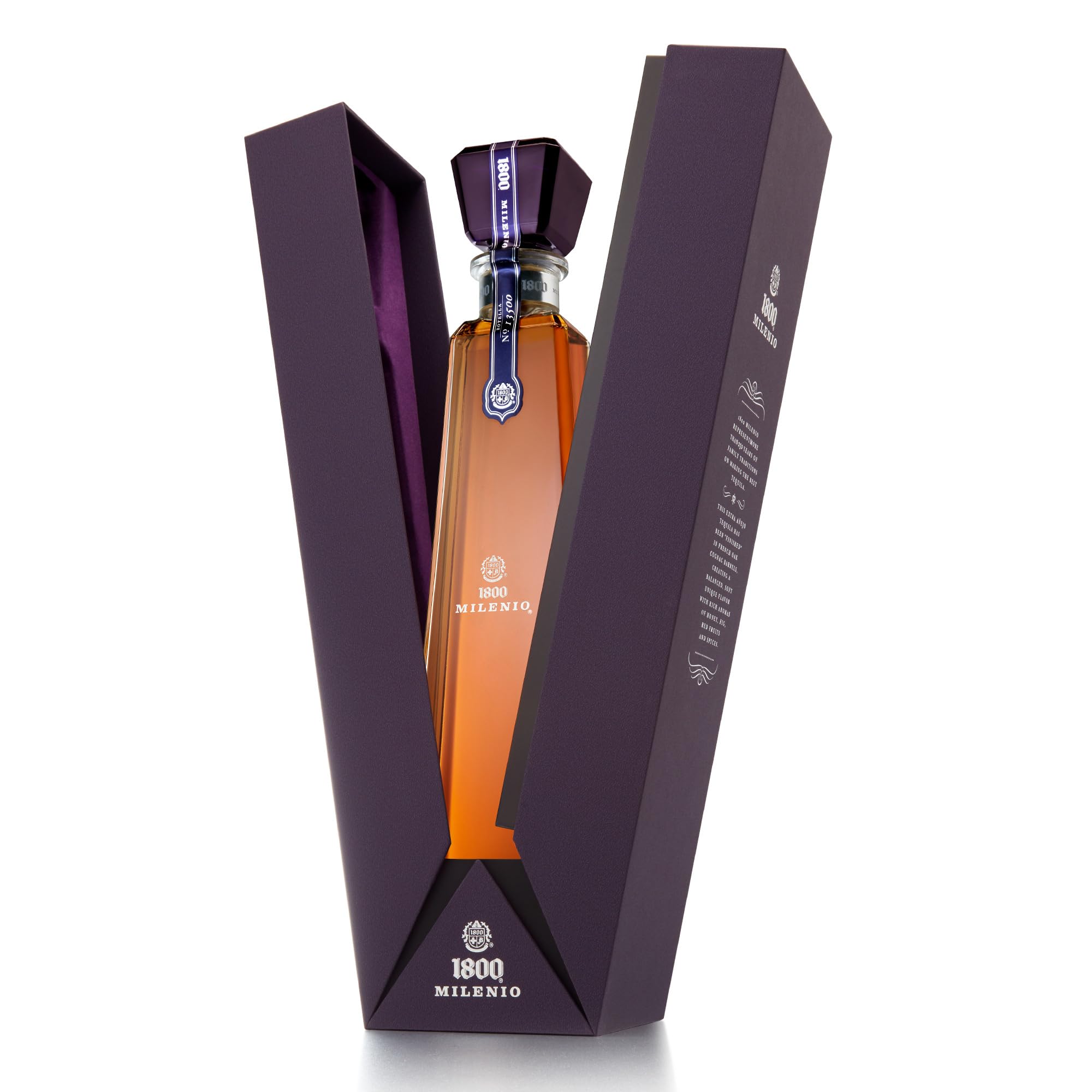
Extra anejo is the newest official category of tequila, introduced in 2006. It refers to tequila aged for more than three years in oak barrels. This extended maturation creates a spirit that is dark, luxurious, and highly complex. Extra anejo tequilas often display flavours of dark chocolate, roasted nuts, tobacco, leather, and rich caramel, along with subtle agave notes. The texture is typically smooth and velvety, with a long, lingering finish. Because of the lengthy ageing process, extra anejo tequila is produced in smaller quantities and commands premium prices. It is almost always enjoyed neat, as the depth of flavour is best appreciated without mixers.
Joven or gold tequila
Joven tequila, sometimes called gold tequila, is a blend of blanco tequila with aged tequila or with additives such as caramel colouring, oak extract, or sweeteners. In the case of mixto tequila, joven is often the style used for mass market products that appear golden but have not been aged. These tequilas such as Agavita Gold are typically used for mixed drinks and shots rather than sipping. However, there are also premium joven tequilas that blend high quality blanco with small amounts of aged tequila to create a balanced and nuanced spirit. These higher end versions can offer a combination of fresh agave brightness and subtle oak complexity.
Tequila production methods and their impact
Beyond ageing, the way tequila is produced has a significant effect on its flavour. Traditional methods involve slow cooking the agave in stone ovens, crushing it with a tahona stone wheel, and fermenting the juice with natural yeasts. These techniques tend to produce tequilas with earthy, vegetal, and complex flavours. Modern industrial methods use autoclaves for faster cooking and mechanical shredders for extraction, which can create cleaner but sometimes less characterful spirits. Some producers also use diffusers, which extract sugars from raw agave without cooking. Diffuser made tequila is often lighter in flavour and less expressive of the plant. Understanding these methods helps explain why two tequilas of the same type can taste dramatically different.
Regional differences within tequila
Tequila can only be produced in specific regions of Mexico, primarily in the state of Jalisco. Even within this area, the terroir influences the flavour. Tequila from the highlands tends to be fruitier, sweeter, and more floral due to the mineral rich soil and cooler climate. Lowland tequila is often earthier, pepperier, and more herbal, reflecting the warmer temperatures and volcanic soil. These regional differences are most noticeable in blanco tequila, where the agave character is not masked by oak ageing. As tequila ages, the influence of the barrel becomes more dominant, but the underlying regional traits can still be detected by experienced drinkers.
How to choose the right tequila type
Choosing the right tequila depends on how you plan to enjoy it and what flavours you prefer. If you like bright, bold agave flavours, blanco is the best choice. It is ideal for cocktails that rely on the spirit to provide freshness and structure. Reposado offers a middle ground, with enough oak influence to add smoothness without overwhelming the agave. It works well both neat and in cocktails that benefit from a touch of richness. Anejo and extra anejo are best suited for sipping, especially for those who enjoy the complexity of aged spirits. These styles are often compared to whisky or rum in terms of depth and character. Joven tequila varies widely, so it is worth checking whether it is a premium blend or a mass market mixto before deciding how to use it.
Why tequila types matter for flavour and experience
The differences between tequila types are not just technical distinctions. They shape the entire drinking experience, from aroma and flavour to texture and finish. Understanding these categories helps drinkers appreciate the craftsmanship behind each bottle and choose tequilas that match their preferences. It also highlights the diversity within the tequila world, showing that the spirit can be as varied and complex as whisky, rum, or brandy. Whether you are mixing cocktails, exploring premium bottles, or learning about agave spirits for the first time, knowing the differences between tequila types opens the door to a richer and more enjoyable experience.
Compare Tequila Prices
Browse the latest prices and deals on tequila from multiple retailers.