
Scotch, Irish, Bourbon and More: The Key Differences Between Whisky Styles
What all whiskies have in common
All whiskies start as a fermented grain mash that is distilled into a clear spirit and then matured in oak casks. The grain mix, where it is made and how it is aged all shape the final flavour. Understanding these basics helps you see why two bottles with the same age statement and strength can taste completely different.
What makes Scotch whisky different
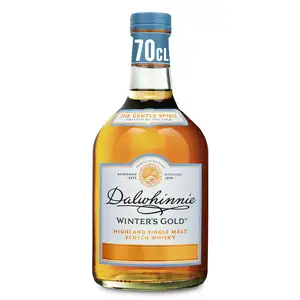
Scotch whisky must be produced and matured in Scotland for at least three years in oak casks. It is usually made from malted barley, either on its own in single malt Scotch or blended with grain whiskies in blended Scotch. Regional styles such as Speyside Single Malt, Islay and the Highlands each have their own character, from honeyed and fruity to smoky and maritime.
Scotch is often seen as the classic sipping whisky, with a wide range of prices from entry level blends to rare single malts for collectors.
Irish whiskey
Irish whiskey is produced in Ireland and matured for at least three years in wooden casks. Many Irish whiskeys such as Jameson's use triple distillation, which can give a lighter, smoother profile. The grain recipes are varied and include single pot still whiskey, a traditional Irish style made from a mix of malted and unmalted barley.
Typical flavours include soft vanilla, orchard fruit and gentle spice, making Irish whiskey a friendly starting point for new whisky drinkers.
Bourbon
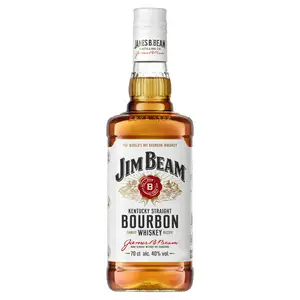
Bourbon is an American whiskey that must be made from at least 51% corn and matured in new charred oak barrels. It cannot contain added colour or flavour and is usually bottled at 40 percent ABV or higher. The high corn content and fresh oak give bourbon a sweeter profile, with notes of caramel, vanilla, toffee and baking spices.
Within bourbon you will find small batch, single barrel and bottled in bond releases that offer extra detail for enthusiasts and often better value for money when you shop around.
Rye whiskey
Rye whiskey uses at least 51% rye in the mash bill in the United States, and rye rich recipes in Canada and elsewhere. Rye grain gives the spirit a spicier, drier character than corn heavy bourbons. Expect flavours of pepper, clove, dried fruit and citrus zest.
Rye works well neat but also shines in classic cocktails such as the Manhattan and Sazerac.
Japanese and other world whiskies
Japanese distillers originally took inspiration from Scotch but now produce a wide range of styles from light and floral to rich and smoky. World whiskies from countries such as India, Taiwan and Australia are also gaining attention, often using local climate and cask types to create distinctive flavours.
How to compare whisky prices sensibly
When you use Wet Your Whistle to compare whisky prices, keep style and age in mind. Once you are comparing similar whiskies, our price comparison helps you pick the best deal at a glance.